

Notice
[Artist Interview] Korea-France Co-created Dance Production – Eun Ju S…
페이지 정보
Date : 2025.08.01
본문
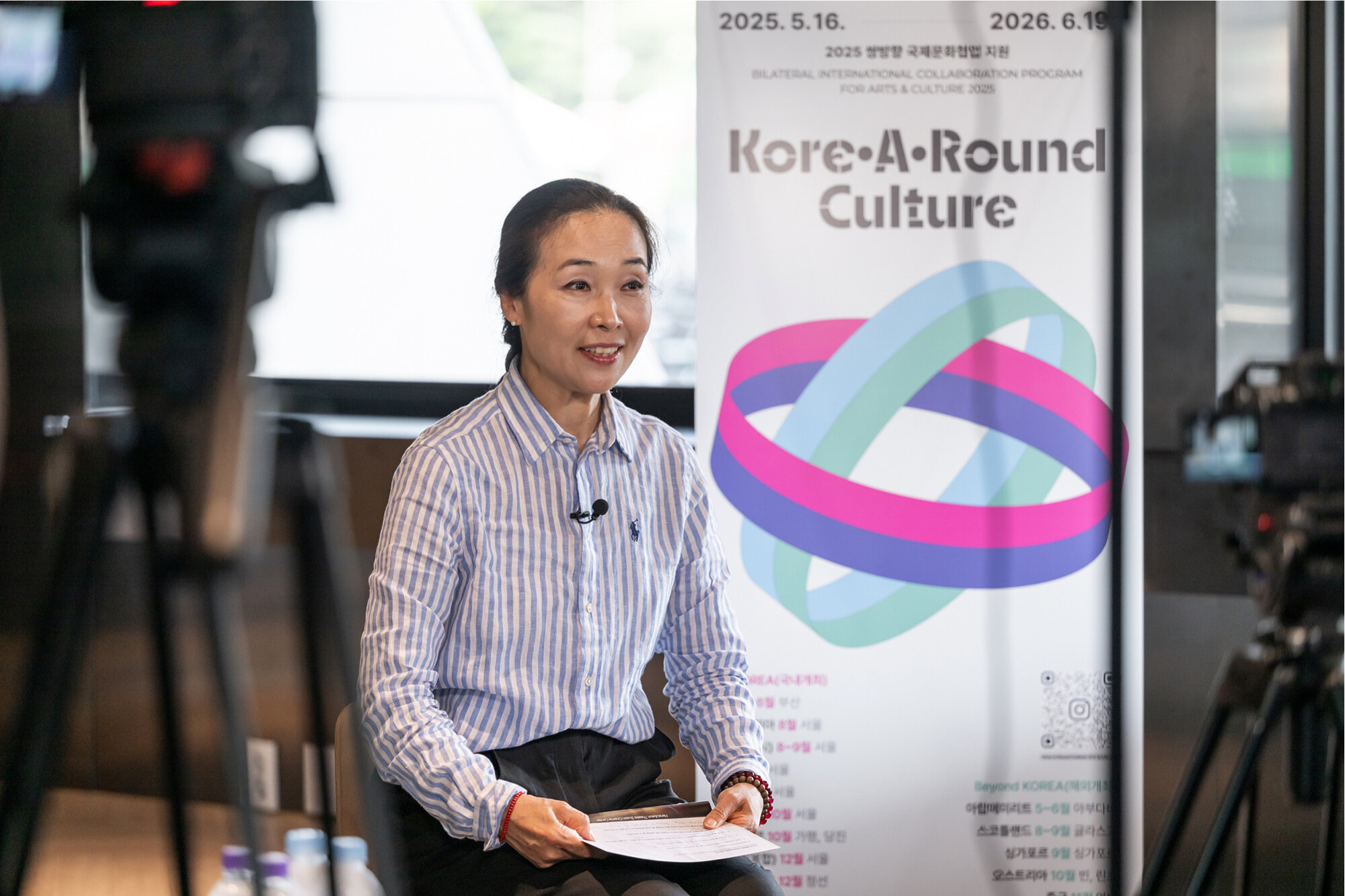
Q1. Could you briefly describe this project in one sentence?
A. Yes, this project is a joint collaborative creation between Korea and France.
Q2. What motivated you to pursue this bilateral exchange and collaboration? And what were you hoping to achieve?
A. This initiative originated from a new project we launched at the Busan International Dance Festival to support emerging choreographers. While young artists today are exposed to various experiences, we believed that engaging with the creative methods of internationally active artists could become a powerful and inspiring driving force. With this in mind, we hoped the project would help our choreographers grow into deeper, more insightful artists.
We first opened a call for applications targeting choreographers aged 19 to under 39. The current lead choreographer joined at that stage, and we promoted the program both in France and through the Busan festival channels. After three rounds of auditions, the selected choreographers joined the project.
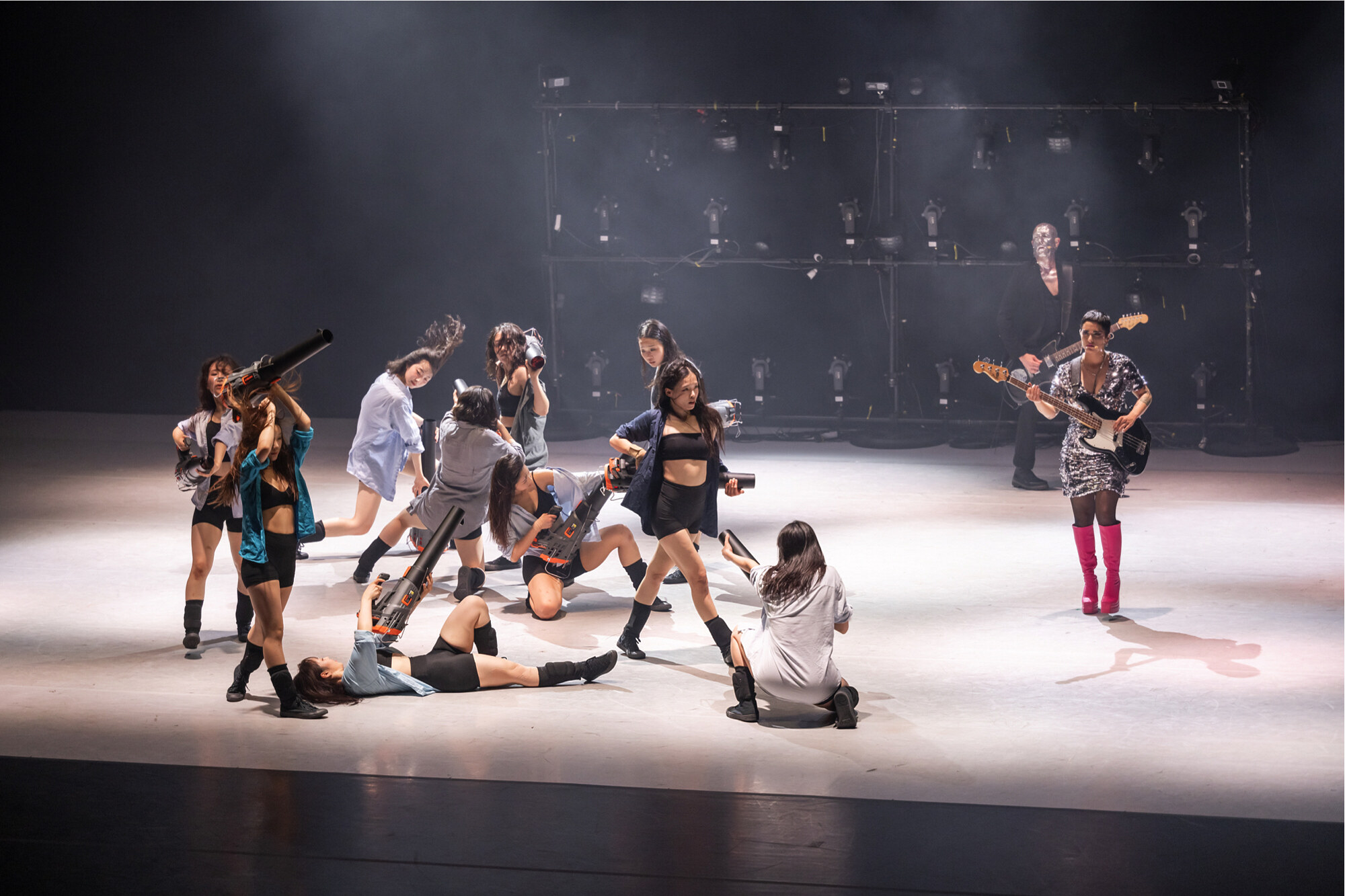
Q3. Was there anything in particular that struck you as interesting about the French dance scene or the working methods of the artists during this project?
A. I don’t think I’m in a position yet to discuss national styles or methods in choreography, but I will say this: the creative approach of French choreographer Hervé Koubi made a deep impression on the young Korean choreographers. He engages in dialogue with each dancer based on their individual thoughts and works to draw out their unique strengths—which I found to be a very important process.
One thing that stood out during our residency in France was how multiple regions collaborated around the project. While we were invited to the international dance festival in Cannes, other cities like Grasse and Mougins also became involved. That kind of regional connection was very impressive.
In Korea, once a project or performance ends in a given city, it’s often difficult to extend the program elsewhere. But in France, not only are dedicated creative spaces made available, they also provide accommodations, connect the artists with local communities, and even attract visits from officials at each region’s cultural department. It was truly surprising—and it made me realize how effectively they leverage the value of culture and the arts to connect with people. That was a major discovery for me.
Q4. How do you think this project might influence your future work or the direction of the Busan International Dance Festival?
A. At its core, the Busan International Dance Festival is still a festival. Through my visits to international platforms, I’ve seen how festivals around the world continue to evolve in diverse ways. That raised the question: how can Korea, and the Busan festival in particular, embrace these global trends? What kind of role must we take on to become a more effective platform?
This Korea-France collaboration made me think deeply about generational roles and international connectivity. I believe that as festivals evolve, especially in Korea, these are the kinds of issues we must start to seriously consider.
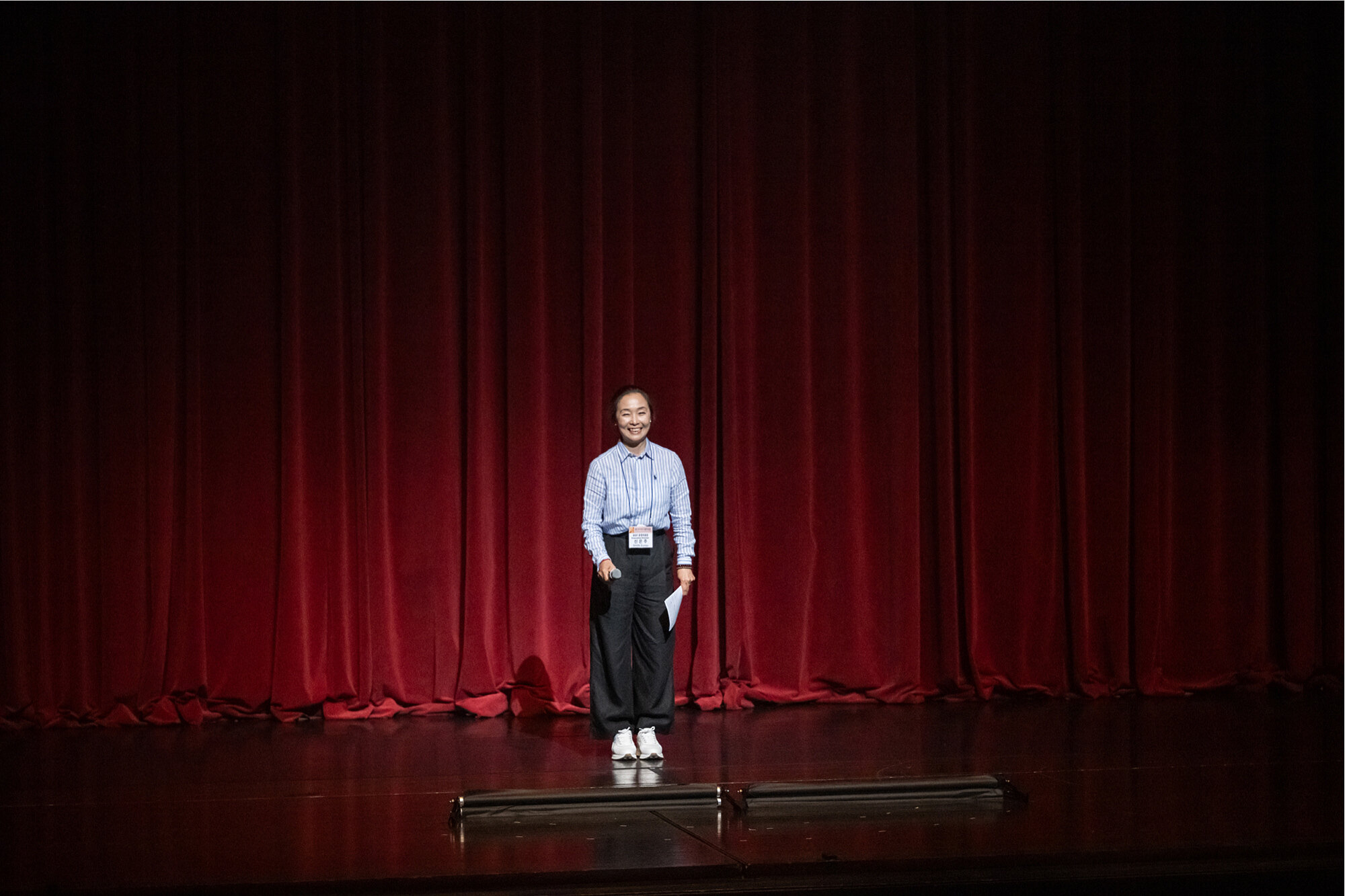
Q5. What did you find most important when working with artists from different cultural backgrounds?
A. I believe that because we all began this journey with the same mindset and shared goals, there were no major difficulties. We were fortunate to have smooth cooperation with many partner organizations, and I truly consider that a blessing. While there were some minor challenges, overall, we were incredibly lucky throughout this project.
One thing I found particularly touching was seeing choreographer Hervé Koubi and our young choreographers communicating through translation apps. Watching them, I kept wondering how that kind of connection was even possible—and I realized the answer to that was sincerity. It’s the deep desire to reach a goal, the patience and care invested, that ultimately leads a project to success.
Additional comments (regarding outbound participation):
One of the greatest blessings of this project was being able to collaborate with the Ministry of Culture, Sports and Tourism, as well as KOFICE. Often during a project, choreographers develop a desire to explore further, and thanks to KOFICE’s bilateral cultural exchange program, we received tremendous support.
Financially, we were under pressure, but the funding allowed us to carry the project forward to the outbound phase, culminating in our invitation to the Cannes Dance Festival. We were even able to attend without having to worry about airfare, which we’re extremely grateful for.
The project is now being promoted on the official website of the Cannes International Dance Festival, and there is a great deal of anticipation in France for the performances by Korea’s young choreographers. We’re truly proud and thankful that we were able to achieve such meaningful results.