Notice
[Artist Interview] Korea-France Co-created Dance Production – Hervé Ko…
페이지 정보
Date : 2025.08.01
본문
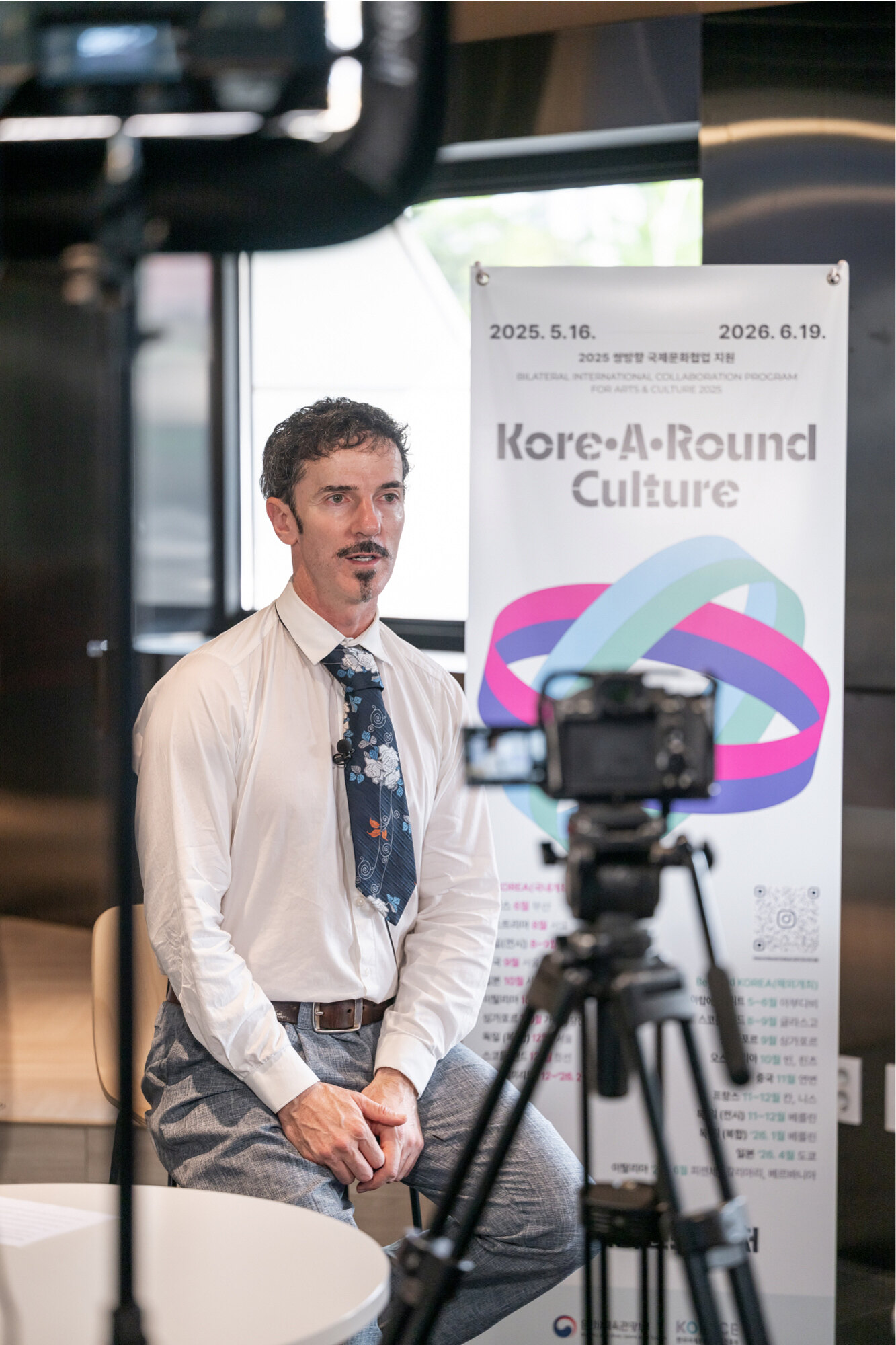
Hello, I’m Hervé Koubi, a French choreographer. I lead the Hervé Koubi Company, which is based in Calais, Brive, Grasse, and Cannes in France. Today, I’m here at the Busan International Dance Festival as part of a joint collaboration project between the city of Busan and the city of Cannes, France. Centered around dance, this project will premiere at the Busan International Dance Festival and will later be presented at the Cannes International Dance Festival(Festival de Danse de Cannes) as well.
Q1. Please describe this project in one sentence.
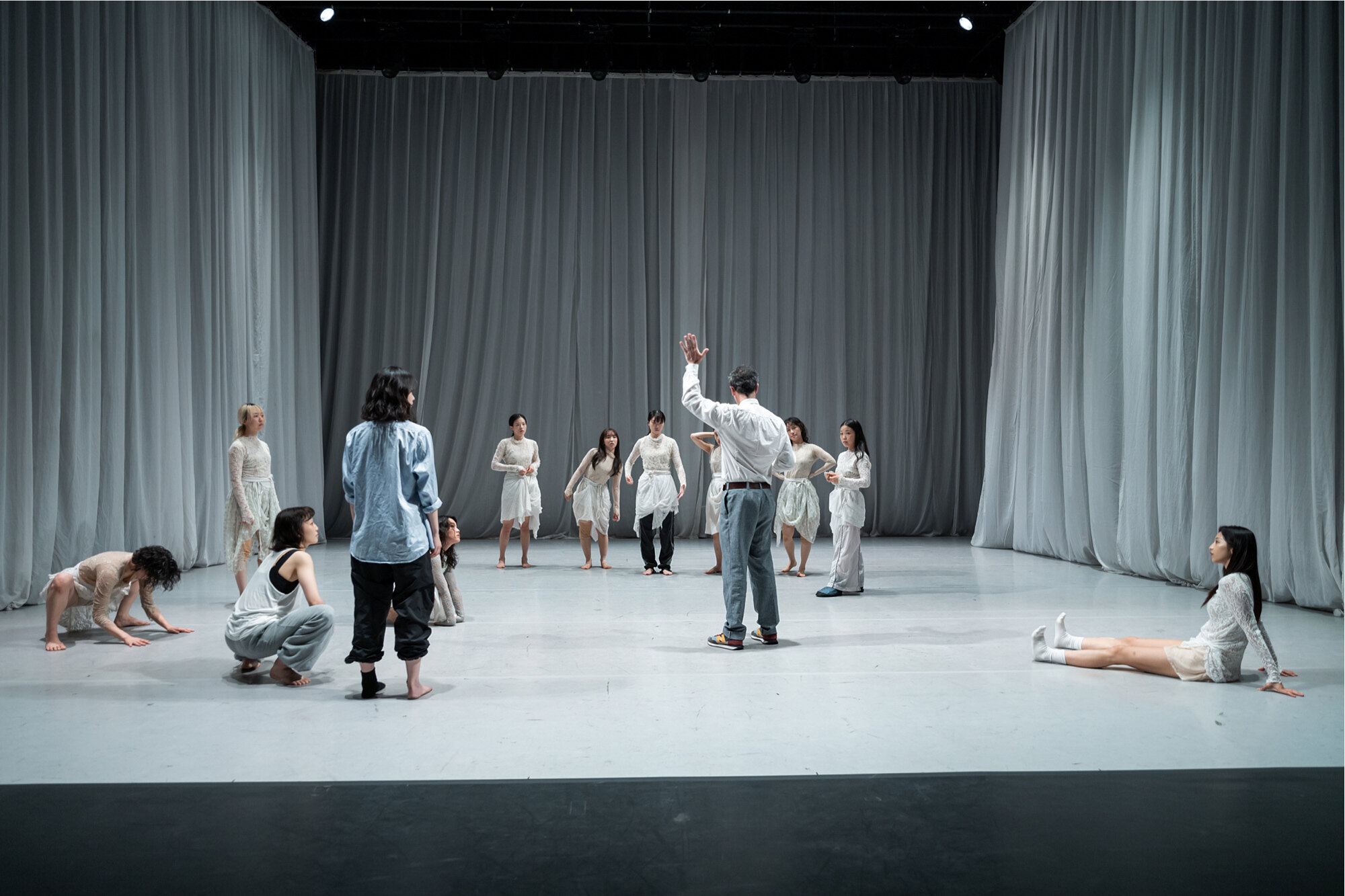
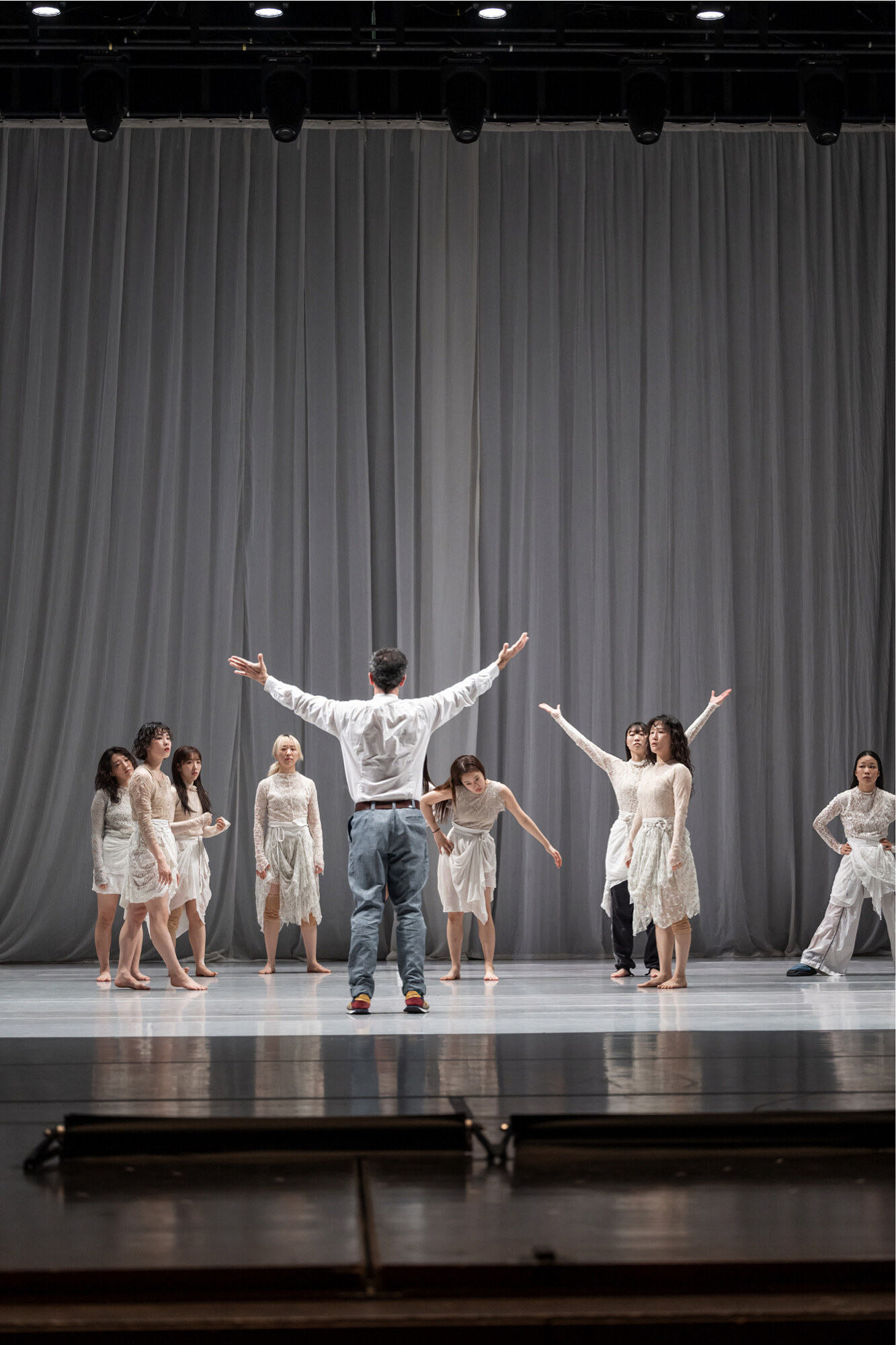
A. This is a Korea–France co-creation project featuring ten Korean female dancers. The key point is that it explores the themes of power and strength through the lens of women.
Q2. What made you decide to participate in this project?
A. By chance, I was first invited to the BIDF (Busan International Dance Festival) two years ago. I visited Korea with 14 dancers from my company to present <What the Day Owes the Night>, a piece we’ve been touring globally for nearly 15 years.
The meeting with the audience and the exchange with the BIDF team left a beautiful and powerful impression on me. I wanted to continue that amazing connection, so we decided to hold a workshop.
Originally, this workshop was meant to be a one-off program with no expected outcome or performance. The following year, I returned to Busan with Fayçal Hamlat—my right-hand man—and Abdelghani Ferradji, a dancer I’ve worked with for over ten years. That’s when I met several Korean dancers.
It doesn’t happen often, but I was especially impressed—perhaps even enchanted—by the female dancers. The male dancers were excellent too, of course. But it led to discussions with Chairperson Shin Eun-joo and Secretary-General Yoo Jin-sook about developing a full performance from this.
At the time of my visit to Busan, a large cultural collaboration project was already underway between Cannes and Busan, led by director Maud Boissac in Cannes. Like Busan, Cannes is famous for its film festival, but it also hosts a major dance festival. This coincidence became another strong motivation for us. So, this workshop evolved into a true creative project that celebrates and highlights the cultural ties between Busan and Cannes, and between Korea and France.
One more point—besides the city of Cannes, two of the four cities that support our company, Calais and Grasse also participated in this project. The first residency took place in those two cities, and it’s no exaggeration to say that this piece came to life thanks to them.
Q3. What kind of experience did you expect from this project?
A. To be honest, I didn’t expect anything in particular. But one thing is certain: ever since I started my career 25 years ago, I’ve always loved working with international dancers.
When I cast dancers, I don’t look at nationality. But interestingly, the ones who remain through the process tend to be foreigners. Most of the people I end up working with are from outside France.
In fact, I’ve recruited two Korean dancers to my company in France—Jang Kim and Minjeong Kim—and both played very important roles in our group. They’re truly outstanding dancers.
So yes, I said I didn’t expect anything, but I already knew there were many incredibly diligent and talented dancers in Korea. This project reaffirmed that belief.
Q4. Was there anything surprising or new that you encountered while working within the partner country’s arts environment?
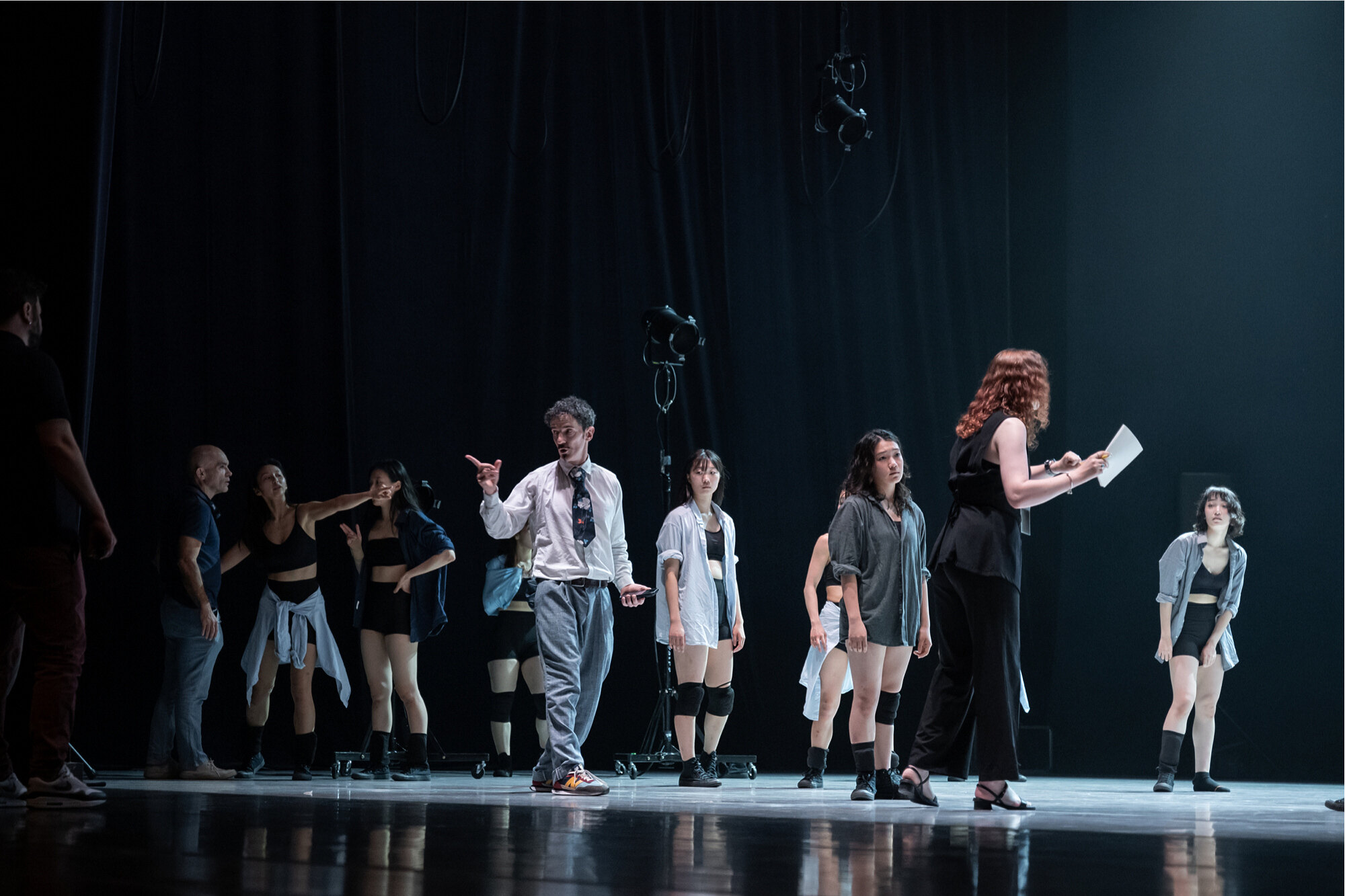
A. Experiences like this always help me reflect on my limits as a choreographer. I actually love being in such situations—working with dancers from different countries and cultures and having space to experiment. That, to me, is deeply attractive and lies at the core of my artistic pursuit.
Was anything completely new? Not exactly. I’ve worked with foreign dancers before and have experience with Korean dancers too. What matters is that those experiences were truly enjoyable.
If I were to mention something interesting, it would be witnessing firsthand what’s happening in Korea’s choreography scene. I could feel such beauty, positivity, and powerful energy. There’s not only a real desire to develop choreography and contemporary dance, but also a clear will toward innovation. There’s such fervor and vibrancy—it feels like something is growing and evolving.
I’m very proud to be French, but France is an old country. So is much of Europe. Korea also has a long history, of course, but in contemporary dance, Korea feels like a younger field compared to France. And yet, there is so much passion, will, and clear standards of excellence. That was really impressive.
Thanks to those high artistic standards, Korean contemporary dance—despite being relatively young—doesn’t fall behind in terms of quality or artistry. Many of the invited dance companies and performers, their high standards, and even the technical expertise of the stage crew and quality of the venues were all truly impressive.
Q5. How do you think this experience and the <No Matter> project will influence your creative work moving forward?
A. One special point is that this project was a choice I made myself. I don’t like having to justify or explain my decisions. In France these days, there’s increasing pressure to explain your choices related to gender—whether you work with men, women, transgender individuals, etc. But I don’t select dancers or create works based on those criteria. I work with people who inspire me.
Some of my most notable works were performed exclusively by male dancers—one has been on the stage for over a decade and another for over 15 years even.
I’ve also created all-female works, and many with mixed casts. One of my recent works, <Sol Invictus (The Invincible Sun)>, features both men and women.
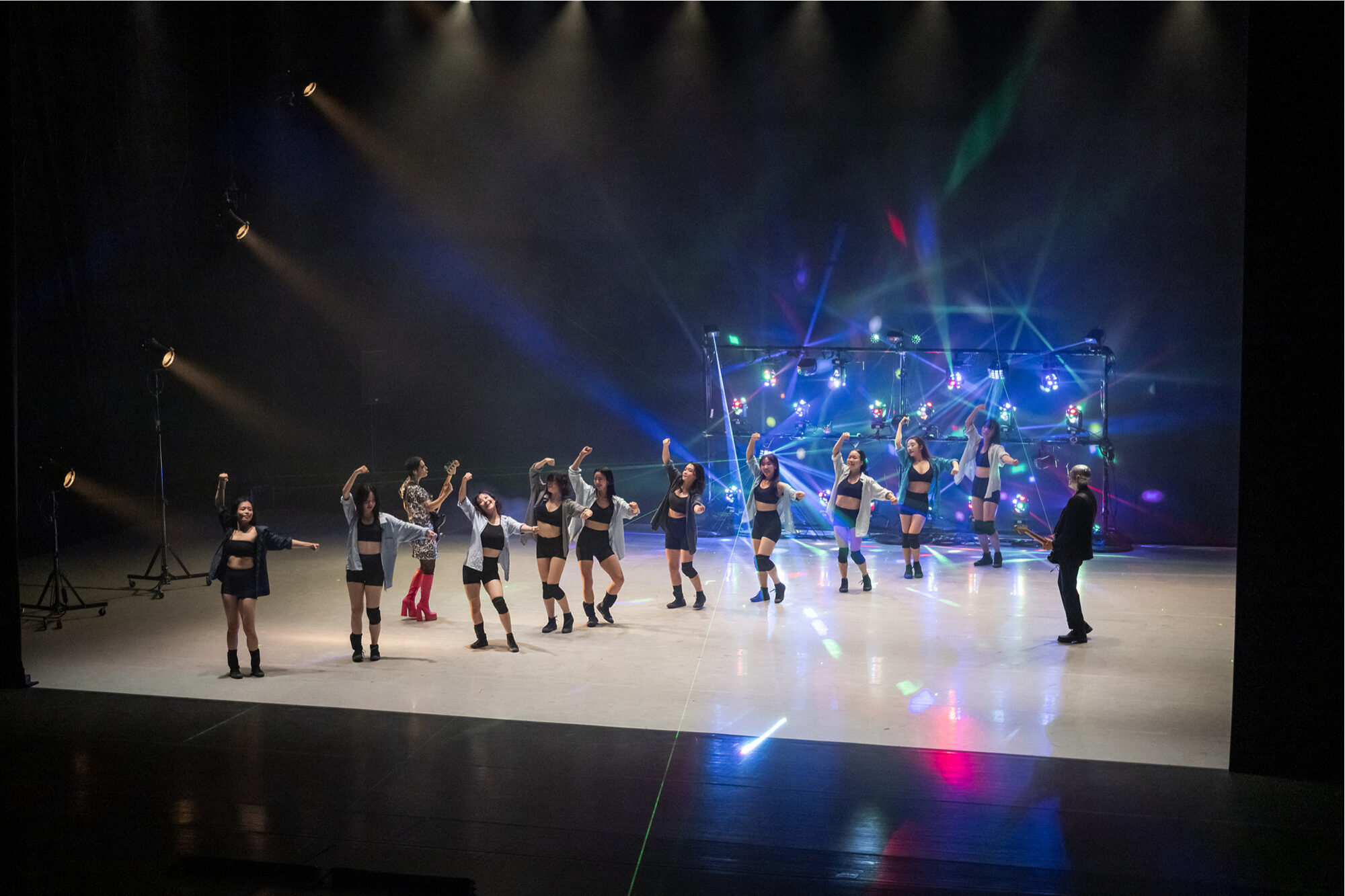
In this case, as I said earlier, I was deeply drawn to the dancers I met during last year’s workshop and strongly wanted to work with them. My choreography is very dynamic and physically demanding, and they executed the movements I proposed astonishingly well. That made me curious about how far we could go together. In fact, the theme of this co-creation—‘strength’—was inspired by them. It’s mysterious how that happens.
Every creative process poses new questions for me. It expands my limits and reshapes how I understand myself. For me, creation is a journey of self-reflection. I believe that’s true for dancers too. Through these processes, the way I view dance evolves, deepens, and gets refined each time. This collaboration is no exception. It will remain a deeply meaningful experience for me.
Q6. What do you think is most important when working with artists from different cultural backgrounds?
A. I enjoy working with many dancers. In this piece, ten female dancers take the stage—a fairly large ensemble. I’ve worked with casts of twelve, fifteen, even nineteen dancers. I enjoy such work and think it’s important.
But the most important question for me is always: “How can we become one?”
That’s not just a choreographic issue—it’s a philosophical question. To explore that unity, I use the language of dance. That is why I keep creating and moving.
Yes, I work in different countries and cultural contexts. But dancing together doesn’t mean becoming the same. In fact, I think we should avoid that idea. I’m not the kind of choreographer who likes uniform group dance where everyone performs the exact same movement at the exact same rhythm. Of course, group dance has great value, and it takes tremendous effort. But it’s not what I seek. I care more about highlighting the differences between dancers.
The ten dancers in this piece are all Korean—well, one Japanese dancer joined to fill in for a missing member—but even though they’re from the same country, they are very different. They don’t resemble each other at all. I think that’s wonderful.
I believe what makes a nation or culture strong is its capacity to embrace diversity—different bodies, experiences, life paths, and technical skills. The Korean female dancers in this project showed that beautifully. I found it incredibly moving.