Notice
[Artist Interview] Korea-Austria Collaborative Dance Production – Hon…
페이지 정보
Date : 2025.09.26
본문
Korea-Austria Co-created Dance Production, <Dancing Miners>
- Hong Jiwoo, Lead Choreography, Dancer of Bermuda Dance Company
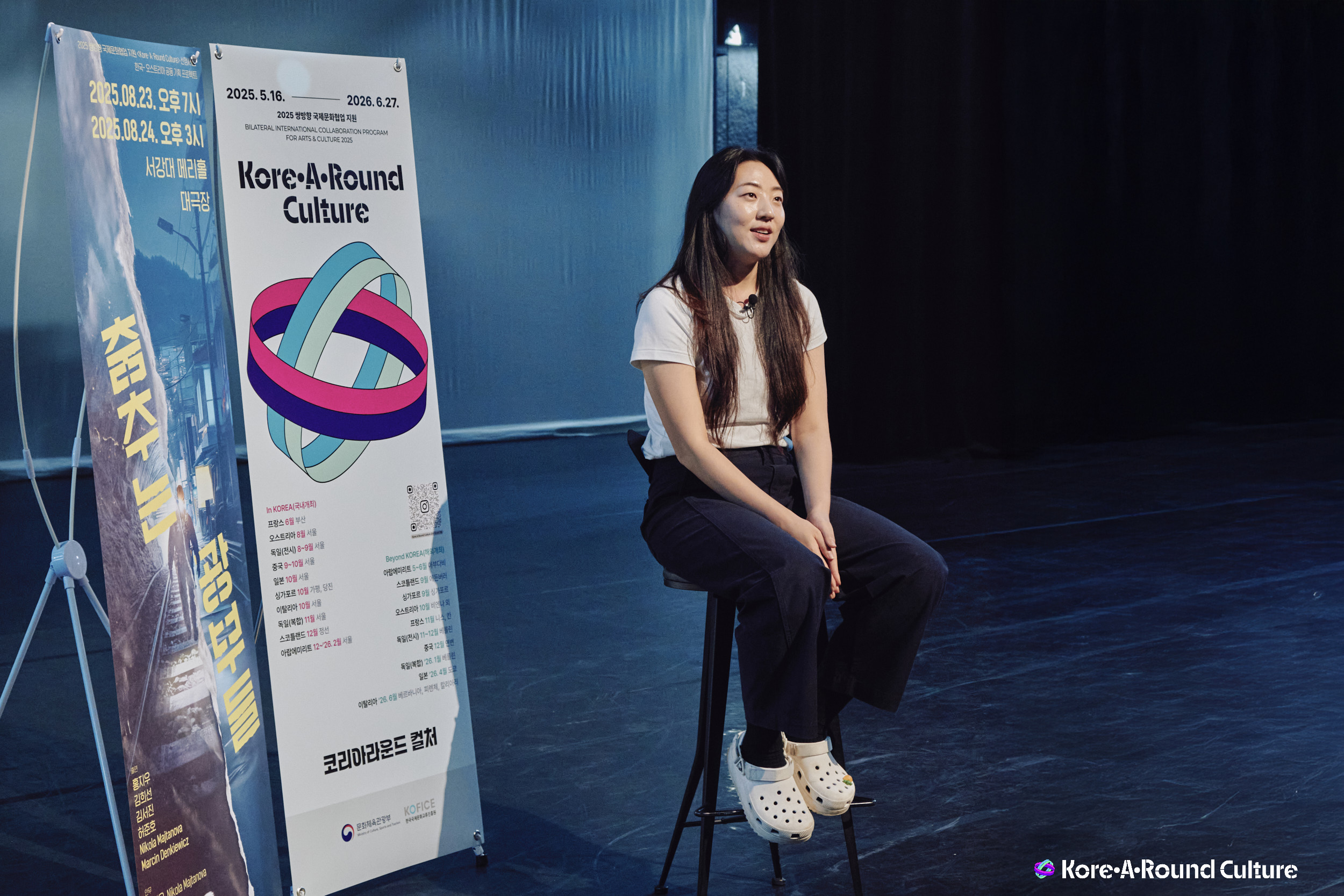
Q1. Hello, could you briefly introduce yourself and your team?
Hello. I am Hong Ji U, the representative and choreographer of Bermuda Dance Company, and I participated as a choreographer and dancer in <Dancing Miners>. Bermuda Dance Company records through movement the things that are disappearing and the realities that require change, and shares them with the world.
Q2. Could you introduce the project <Dancing Miners> and explain why you chose the keyword “miner”?
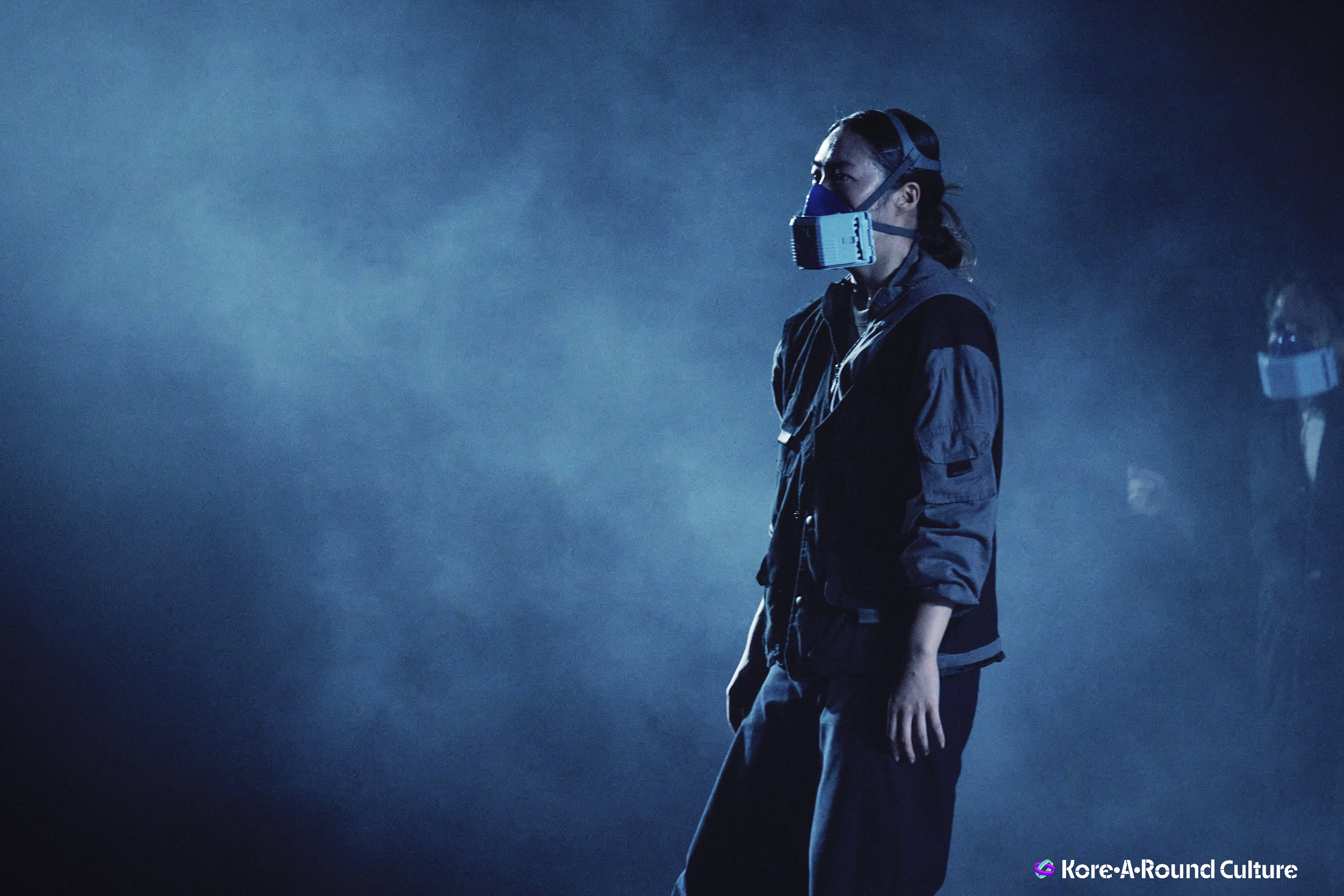
I am from Taebaek, Gangwon Province. Taebaek used to be the largest mining area in Korea. My grandfather and father both worked as miners, so naturally I became interested in miners. But as Korea changed rapidly, I witnessed almost all the coal mines shutting down. Many local residents lost their jobs and had to leave Taebaek. The lives of people who once powered Korea’s development seemed to be fading from people’s memory. So I decided to use my abilities to record and preserve the lives of Korean miners through an artistic work.
Q3. This work was created in collaboration with the Austrian duo ‘NikiMartin’. How was your experience working together?
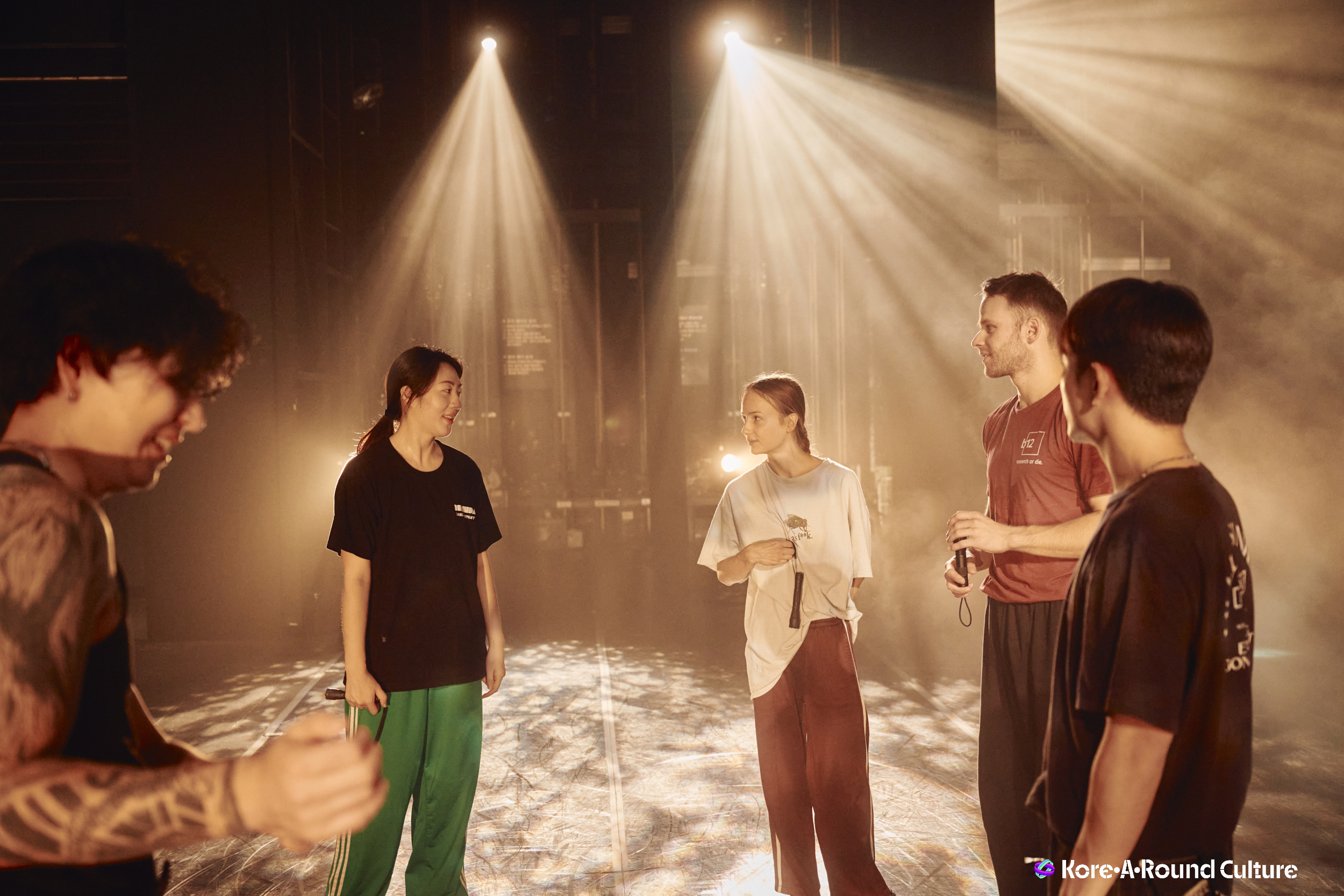
Bermuda Dance Company is a multi-genre dance company. Although my background is in Korean traditional dance, our team also includes contemporary dancers and street dancers. The different textures they bring give us a broad expressive range, and that is one of our strengths. On the other hand, NikiMartin specializes in “partnering,” using physical contact to understand each other’s movements. To align with them, we also took partnering workshops and worked together to create a shared message for the piece.
This approach also relates directly to the subject of the work. While preparing, I spent three years interviewing miners, and one of the things they always said was that they worked in pairs. The tunnels were dangerous, so no one could ever work alone. To reflect this reality, we used partnering techniques to understand one another and developed the theme together during rehearsals.
Q4. How do you think international exchange programs like <Korea·A·Round Culture> can help other artists?
I think this performance was an excellent opportunity to keep building connections with artists worldwide and to broaden perspectives. Through researching the lives of miners in Korea and Austria using partnering, I was also able to establish a strong network with the NikiMartin team. We even talked about creating future works that combine Korean traditional culture with art from Slovakia, Poland, and other countries.
It was not only financial support but also a stable environment to take risks and try new things. During this project, I received a lot of help from KOFICE staff as well. Whatever we created, I felt confident that they would support us. For artists considering new artistic challenges, this kind of support is invaluable.
Q5. What do you think was the biggest difference between this bilateral collaboration program and previous cultural support programs?
The fact that Korean and foreign artistic groups could apply and plan together was very refreshing. Previously, when we tried to expand our networks, it was a challenge to reach out to overseas groups and propose collaborations. Finding the right partners was hard, and even if we did, there was no guarantee it would lead to an actual project. In contrast, <Korea·A·Round Culture> was structured so that Korean and foreign groups could apply together from the beginning. That created much closer exchanges and laid the groundwork for genuine collaboration in the future.
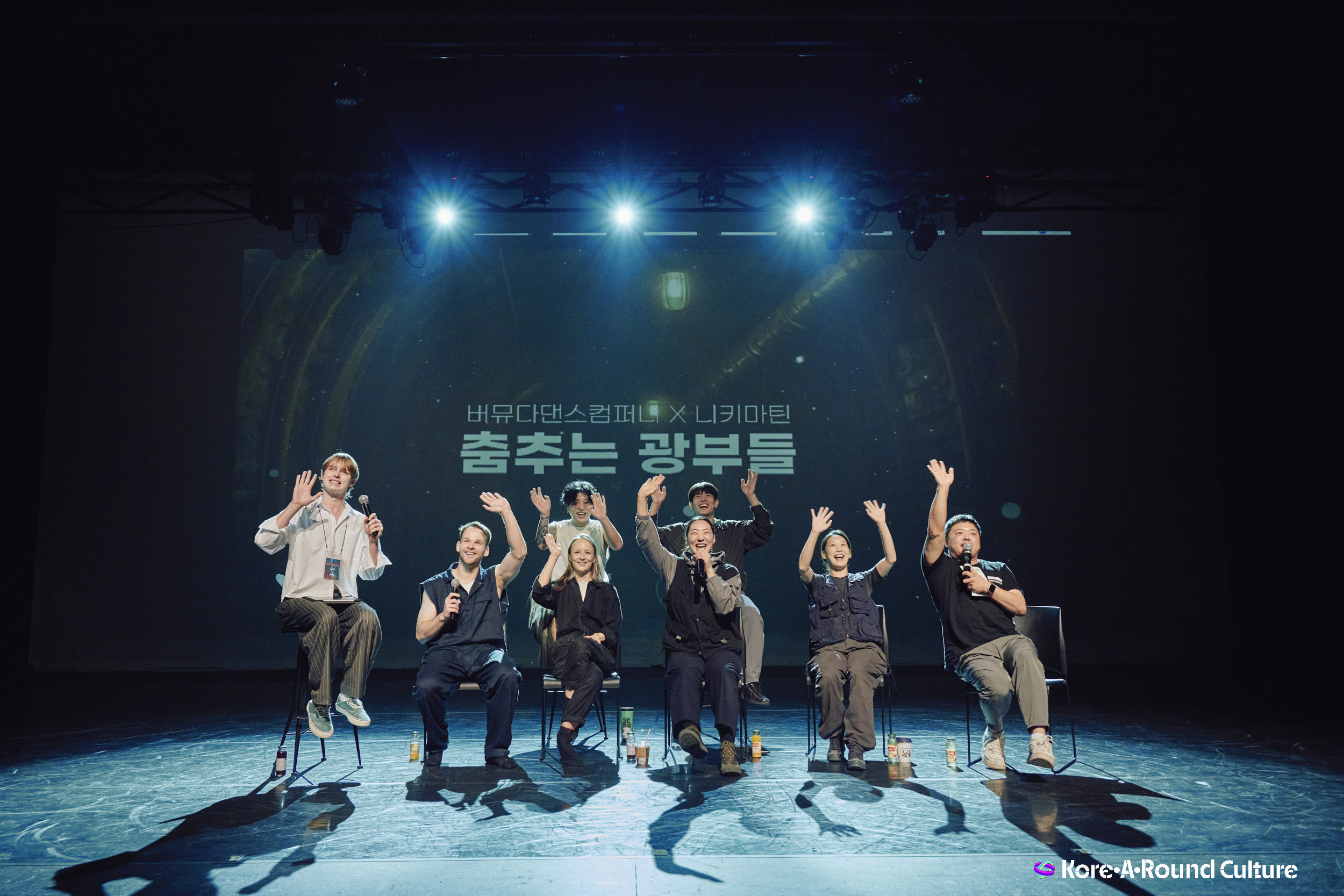
Q6. Lastly, do you have a message for the audience coming to see the performance?
I believe <Dancing Miners> is truly a meaningful work. Miners were the driving force behind Korea’s industrialization. To document their lives, now fading into history, is deeply human and important. I hope many people will come and, through this performance, remember the mines that were once part of Korea’s history, and the miners who were the true protagonists of that era.