

Notice
[Artist Interview] Korea–Italy Collaborative Dance Project – Alessandr…
페이지 정보
Date : 2025.12.10
본문
Korea–Italy Collaborative Dance Project, <The Butterfly Dream>
– Alessandra Paoletti, Damiano Ottavio Bigi, Choreographers of Fritz Company
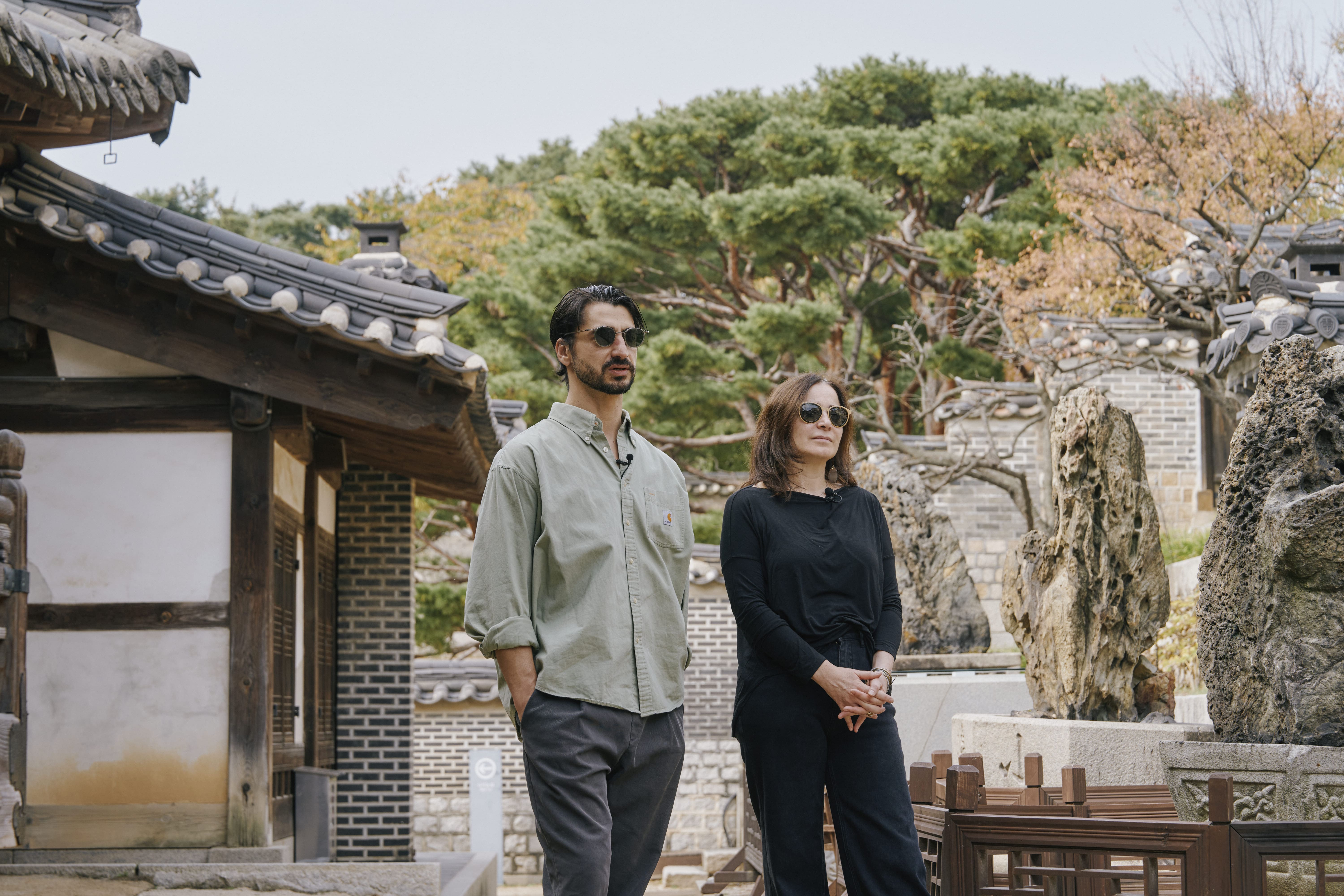
Hello, we are Alessandra Paoletti & Damiano Ottavio Bigi, Co-Founder of Fritz Company and we are here to present the Butterfly Dream, which is the second chapter of a project called The First Dance. This project is a collaboration between Fabbrica Europa and Ahn Aesoon Company and us. We worked for the last four weeks to do this project.
Q2. Could you tell us about the work ‘The Butterfly Dream’?
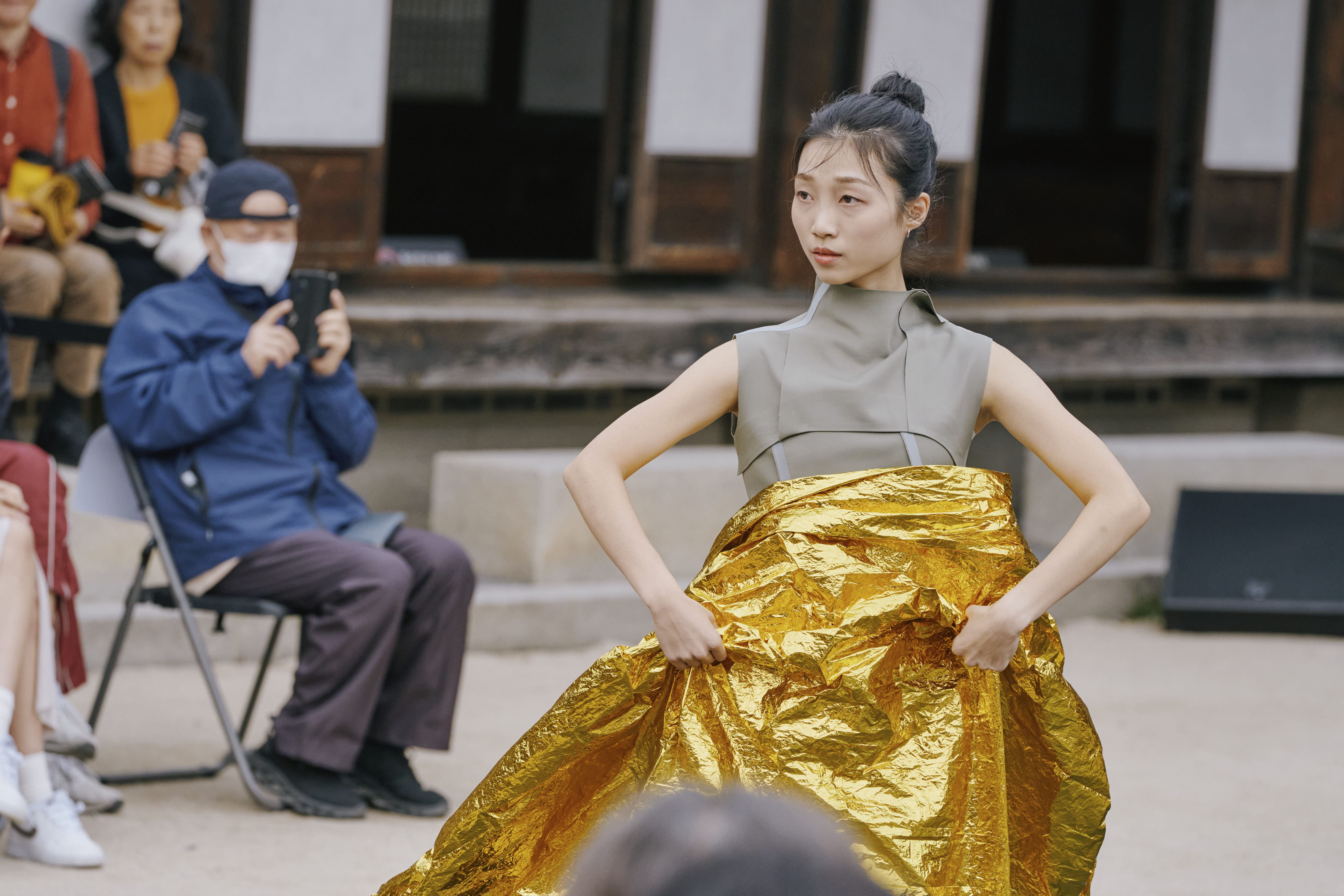
This performance is a site-specific work that combines the theme of “The Butterfly Dream”, with the geometric characteristics and historical context of Changdeokgung Palace. The first part of the performance is choreographed by Fritz Company, while the second half is created by Ahn Aesoon Company. Each team interprets the shared theme from a distinct perspective, forming two unique artistic trajectories within a single performance. We invite audiences to experience this work as if embarking on a journey with us.
Fabbrica Europa is both a festival-centered organization and a residency space for artists. We have been collaborating as resident artists for the past three years, during which we presented our works at the festival. Since then, we have continued to develop joint projects on an ongoing basis, and this collaboration is part of that continuing relationship.
Q4. What was the process like creating choreography collaboratively with artists from another country?
In fact, we consider every project to be a form of collaboration across cultures. Even when working in Italy, we collaborate with people from a wide range of countries and cultural backgrounds. Each time we work with specialists from different fields such as costume design, music, and lighting, and we encounter new perspectives that shape the creative process. We primarily work as “directors,” setting an overall direction for the piece, but at the same time we are deeply influenced by the ideas and insights of our collaborators. Through this exchange, the creative process often evolves in unexpected ways.
In this project, the space of Changdeokgung Palace played a particularly significant role. While working with Korean artists, we faced practical challenges such as language barriers and limited rehearsal time, but the most important consideration was how to engage with the site itself. In Italy, the work was both site-specific and itinerant: audiences moved through the space alongside the dancers. In Korea, however, the structure was entirely different, with the courtyard as the central focus and audiences remaining seated in one place. This required a fundamentally different approach. As a result, we drew inspiration from the recurring geometric elements found throughout the palace grounds and reinterpreted the performance space as a kind of microcosmos.
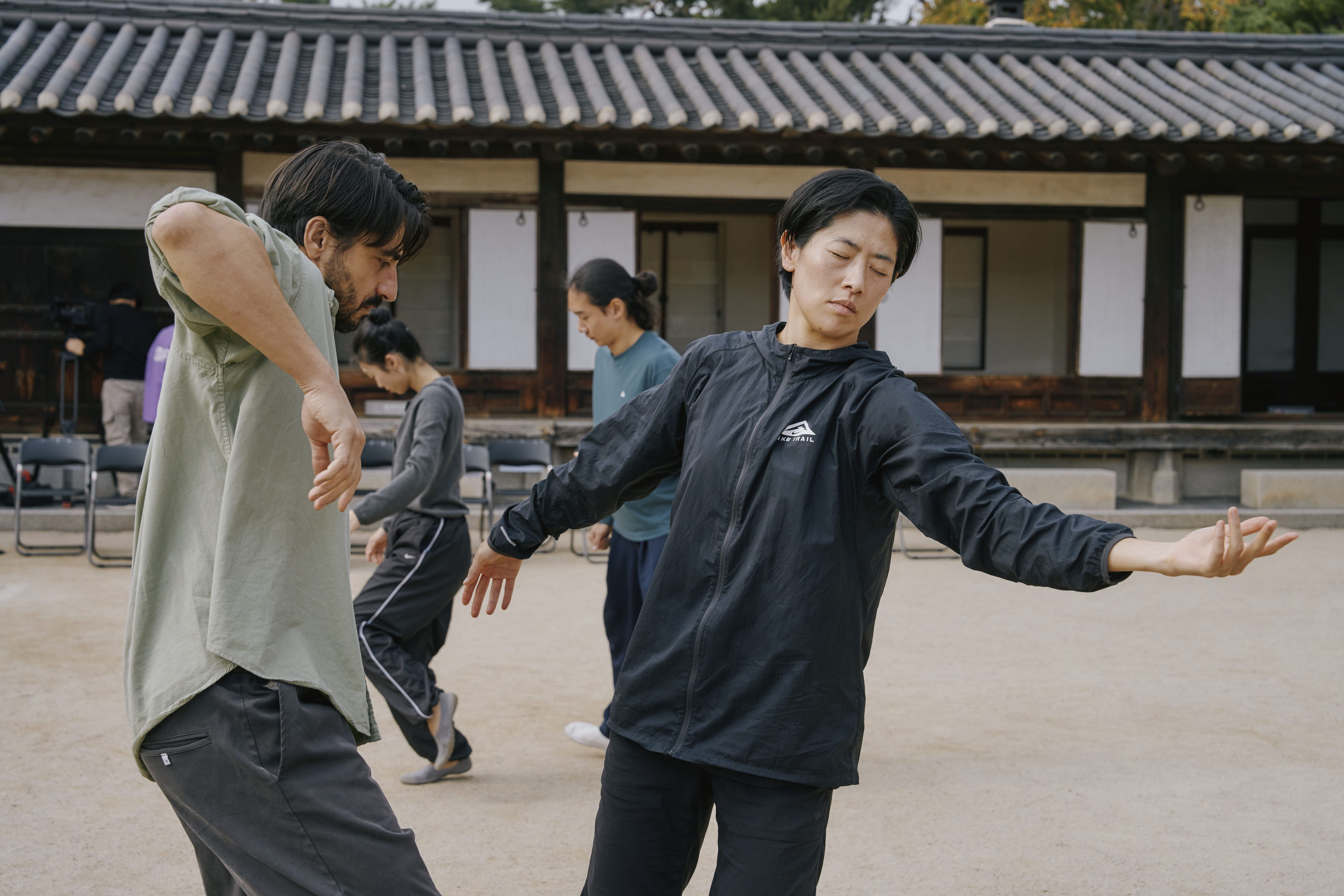
The most fascinating aspect for us was meeting the dancers. Although we came from completely different worlds, over time we began to discover shared ground. We are all human, and we carry similar dreams and fears. At the same time, it was enriching to sense how differently European artists approach the world, movement, and emotional sensitivity toward specific themes.
The process of getting to know Changdeokgung Palace was also deeply memorable. From the moment we began this project, we undertook an in-depth study of the palace’s geometric structures, as well as Korean architecture and history. Exploring a new world and culture in this way was, in itself, a compelling experience. After this phase of theoretical research, we worked closely with designers, musicians, and dancers to shape the choreography in concrete terms.
This performance will also be presented in Italy. In Florence, it will be staged in the cloister of Santa Maria Novella; in Verbania, at a contemporary performance venue; and in Cagliari. Exploring how this work can be transformed and adapted within different architectural contexts will be another significant challenge. We are excited to engage with a living work, one that evolves as it travels and encounters new spaces across the world.
Q6. How was your experience participating in <Kore·A·Round Culture>?
Opening ourselves to this kind of international collaboration is extremely important to us, as it greatly enriches both our research and creative practice. Since the founding of Fritz Company, one of our core objectives has been to collaborate with artists from diverse cultural backgrounds and artistic trajectories. For this reason, when Maurizia Settembri, the Artistic Director of Fabbrica Europa, proposed this project, we accepted with great enthusiasm. It represented not simply an opportunity to meet artists from another culture, but a chance to engage with creators who approach artistic practice from entirely different perspectives. We believe that in today’s world, meaningful collaboration begins with recognizing and respecting differences. In this sense, this project was particularly meaningful for us.
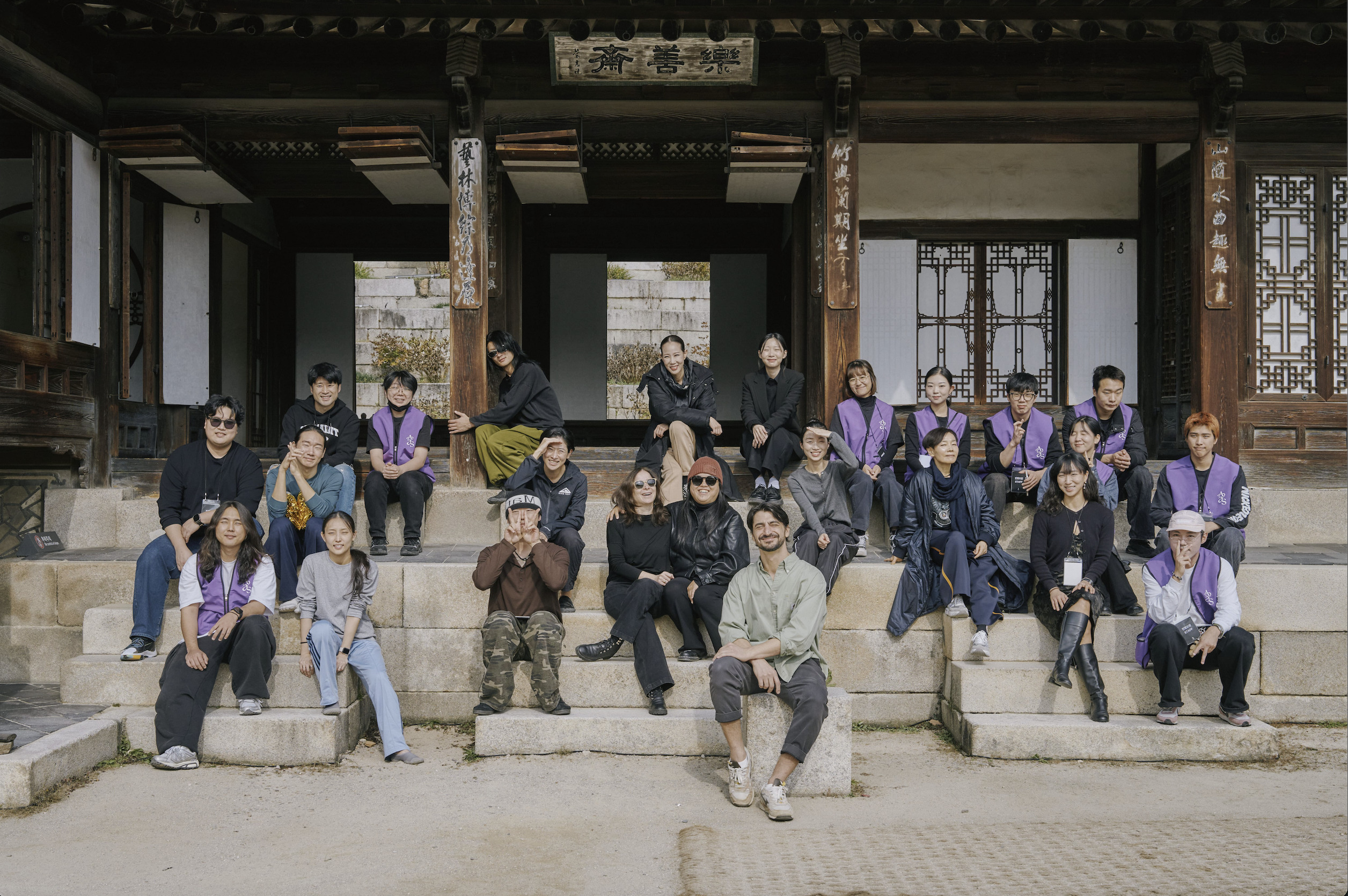
We believe that the message of a performance should reside within the work itself. Rather than seeking to provoke a specific reaction from the audience, what matters to us is leaving an “open space” where each viewer can fill in meaning through their own imagination. We simply offer a direction through choreography, inviting audiences to embark on their own personal journey. For this reason, we hope that those who attend this performance will experience it as if traveling together with us. Many may already be familiar with Changdeokgung Palace, but this performance offers an entirely different way of encountering it. We invite you to discover a familiar place as something altogether new, an experience transformed through movement and imagination.